Learn hub
26 short explainers, each with a quick written summary. Brand-neutral, practical, under a minute.
 #01
What a Lighting Controller Actually Does
▶ Watch + read #02
Occupancy vs Vacancy vs a Photocell
▶ Watch + read #04
Smart Bulb vs Smart Switch vs Smart Dimmer
▶ Watch + read #05
3-Way vs Multi-Location Smart Dimmer
▶ Watch + read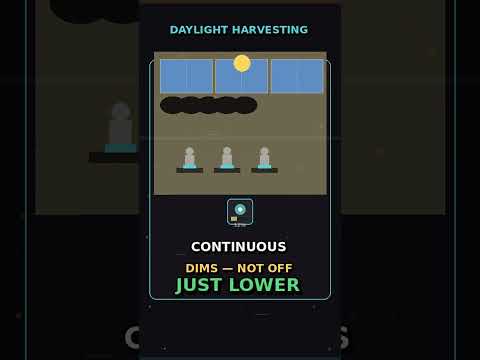 #06
Daylight Harvesting vs a Photocell
▶ Watch + read #07
0–10V vs Phase-Cut Dimming
▶ Watch + read #08
Scene vs Schedule vs Occupancy
▶ Watch + read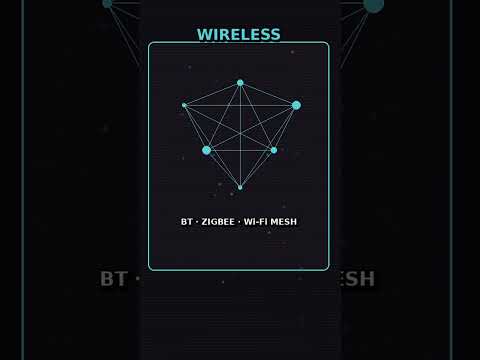 #09
Wired vs Wireless Controls
▶ Watch + read #10
Why LEDs Flicker on a Dimmer
▶ Watch + read #11
Tunable White vs RGB
▶ Watch + read #12
Central vs Fixture-Level Control
▶ Watch + read #13
Timeclock vs Astronomical Timeclock
▶ Watch + read #14
DALI vs 0–10V Dimming
▶ Watch + read #15
Why Your Occupancy Sensor "Doesn't Work"
▶ Watch + read #16
Emergency Lighting Basics
▶ Watch + read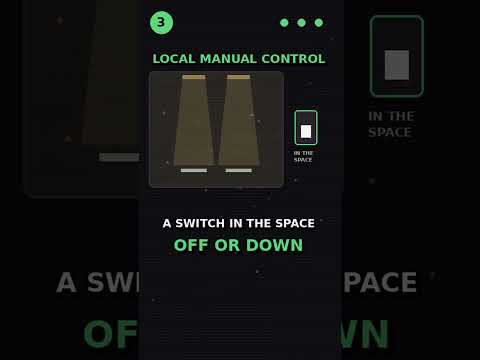 #17
Lighting Energy Code Basics
▶ Watch + read #18
Smart Home Hub vs Wi-Fi Smart Switches
▶ Watch + read #19
Line Voltage vs Low Voltage Controls
▶ Watch + read #20
PIR vs Ultrasonic vs Dual-Tech Sensors
▶ Watch + read #21
Why Your Dimmer Buzzes or Hums
▶ Watch + read #22
Can You Put a Dimmer on a Ceiling Fan?
▶ Watch + read #23
Why LEDs Glow When They're Off
▶ Watch + read #24
Why Some Outlets Have a Power Symbol
▶ Watch + read #25
Constant Voltage vs Constant Current Drivers
▶ Watch + read #26
Why Lighting Relays Weld Shut
▶ Watch + read #27